Plan the kitchen around the operation, then confirm the equipment and site details.
Define the DFAC operation before selecting equipment
Record meals by service period, menu type, cooking methods, serving style and any special dietary needs. A renovation may leave part of a permanent kitchen in use, or it may take production offline entirely. That distinction changes the temporary equipment plan. Include receiving, storage, dishwashing and waste handling, not only the cooking line.
Ask the dining operator and facilities team to walk through a proposed workflow from delivery to service. Trailer configuration depends on the actual production task and the available site; published length or cover-count examples should not be treated as an equipment promise.
Build installation access into the schedule
A trailer, delivery vehicle and setup crew may all need approval to enter an installation. The installation should identify its current process for personnel, vehicles, escorts and work areas. Collect the delivery route and staging location early, along with any restrictions on hours or movement within the site.
Access review can affect timing, so it belongs in the initial project discussion. Avoid setting a delivery or first-meal deadline until the responsible installation team confirms access, site readiness and any required inspection sequence. Emergency requests still need an installation-approved process.
- Installation and dining facility point of contact
- Delivery route, staging and access requirements
- Available power, water and wastewater connections
- Construction phases and target operating dates
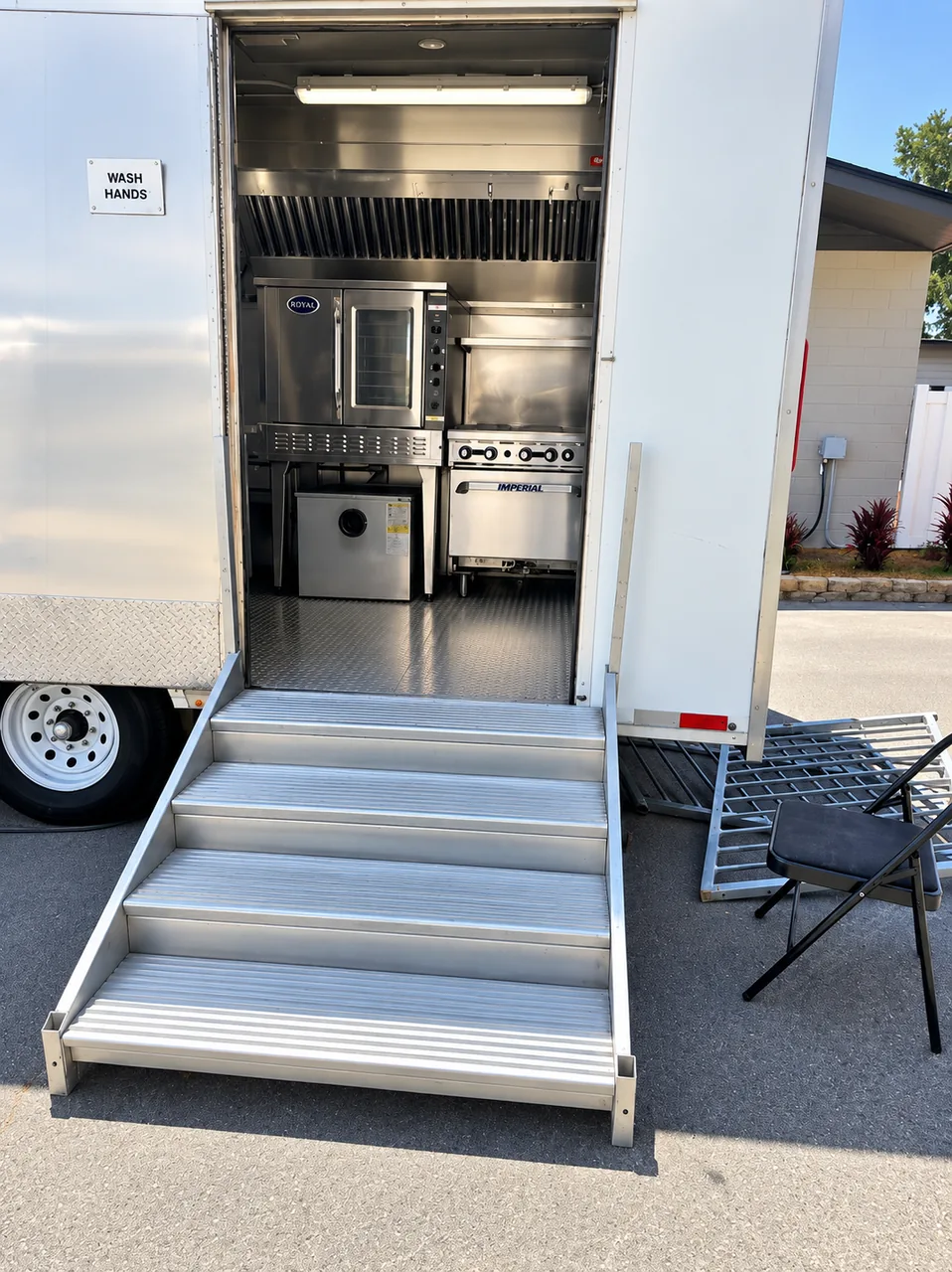
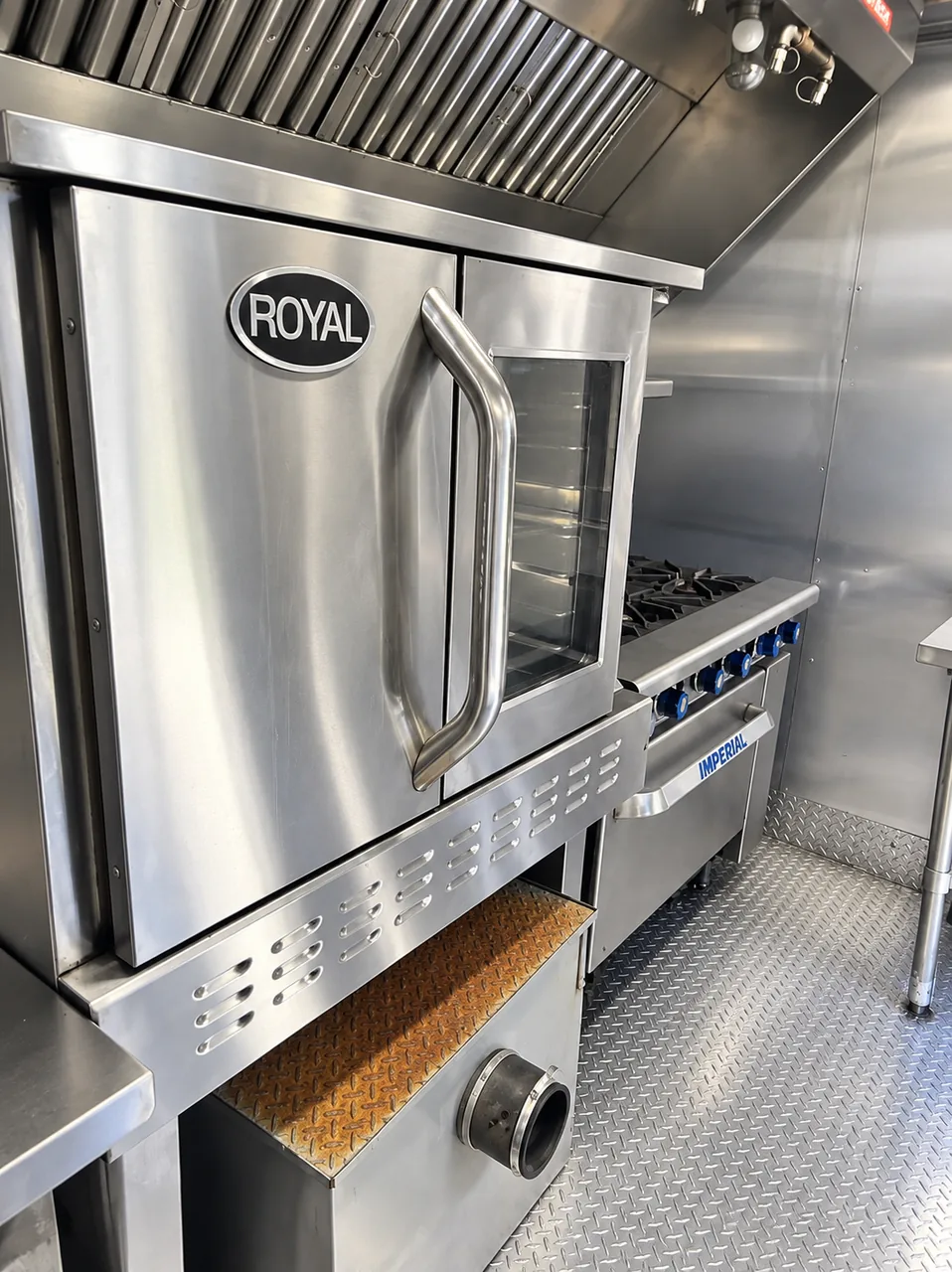
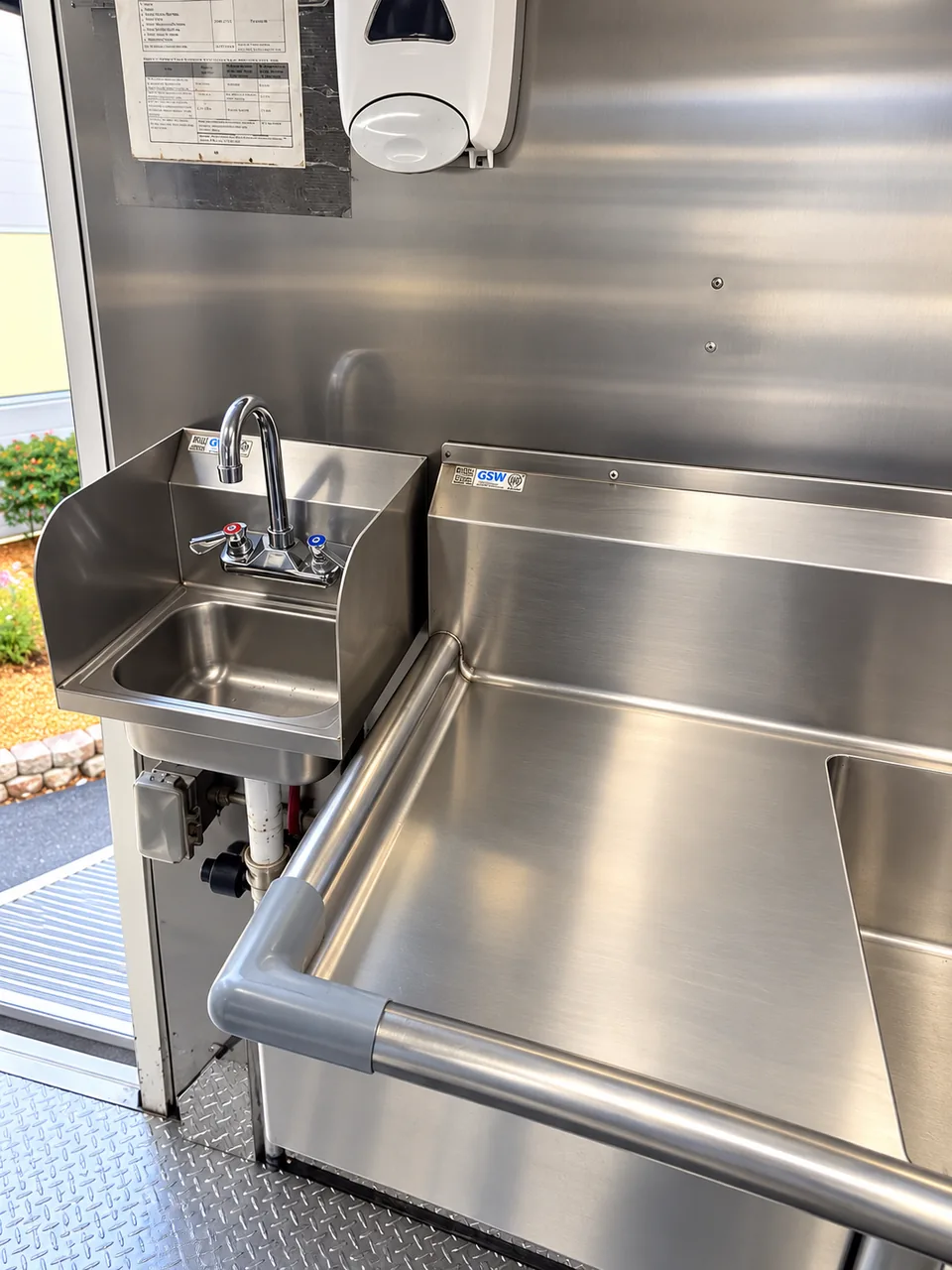
Kitchen equipment reference photos
These photos show equipment examples for planning. They do not document a project at this type of site or confirm that a specific unit is available.
Confirm contracting and food-service requirements
The contracting office determines the applicable procurement route, vendor qualifications and documents. Do not assume a provider holds a government registration, contract vehicle or prior military performance without checking. Ask what the request for quote must cover, including rental duration, setup responsibilities, servicing and removal.
The installation and food-service authority should identify the standards and approvals that apply to the proposed temporary kitchen. The team may need to review food safety procedures, cleaning, temperature control, fire protection and the interface with existing DFAC operations. Requirements can differ by installation and service branch.
Prepare a coordinated transition plan
Bring together the dining operator, facilities engineer, contracting lead and site-access contact. Agree on which permanent systems remain available, where the trailer could be placed and who will perform utility work. Plan a walkthrough for staff and a way to verify the temporary service flow before the permanent kitchen is taken offline.
For Guard or Reserve facilities, include drill and training schedules when those determine meal demand. Ask for a project-specific proposal based on the actual installation, meal volume and construction window rather than relying on a generic military deployment timeline.
Common questions
Does this page confirm a government contract or past performance?
No. Contract status, registrations, prior work and suitability must be checked directly with the provider and the contracting office.
What information should the first inquiry include?
Provide the installation location, DFAC meal periods and volume, menu, dates, site utilities and the contacts responsible for contracting and access.
Can an emergency request bypass site requirements?
The installation decides its own emergency process. Do not assume access, approvals or a response time until the responsible officials confirm them.
Bring the details. We’ll help frame the kitchen trailer request.
Share the location, dates, menu, meal volume, site access and utilities. Ask the team to confirm an available configuration, delivery and project-specific terms.
Prepare a project note ↗