
Plan the kitchen around the operation, then confirm the equipment and site details.
Choose the right temporary dining scenario
A summer renovation may have a different meal pattern from a project that continues through the academic year. Phased construction can leave some permanent equipment usable, while an unexpected shutdown can remove the whole kitchen at once. Identify exactly which production, storage and serving functions will be unavailable during each phase.
Map breakfast, lunch, dinner and any late service separately. Include athletes, summer programs, resident students and staff where relevant. The resulting plan may call for full cooking in a trailer, limited finishing and holding, or a mixed approach with other campus facilities. Do not choose a trailer length from a generic student-count chart without reviewing the actual menu and service pattern.
Protect dietary and allergen workflows
Campus dining often manages allergens, medical diets, religious dietary requests and plant-based meals. Record the current procedures for ingredients, dedicated tools, preparation order, labeling and service. Then check which procedures can be maintained in the proposed temporary layout and which need another approved arrangement.
Bring dining leadership and the institution's food safety specialists into the layout review. A trailer should not be assumed to recreate a dedicated allergen-free room or every permanent kitchen station. Any separate dietary production plan needs its own equipment, staffing and approval decisions.
- Menus and meals by service period
- Allergen and special-diet production steps
- Cold storage, receiving and dishwashing demand
- Serving line and seating areas that remain in use
Kitchen equipment reference photos
These photos show equipment examples for planning. They do not document a project at this type of site or confirm that a specific unit is available.
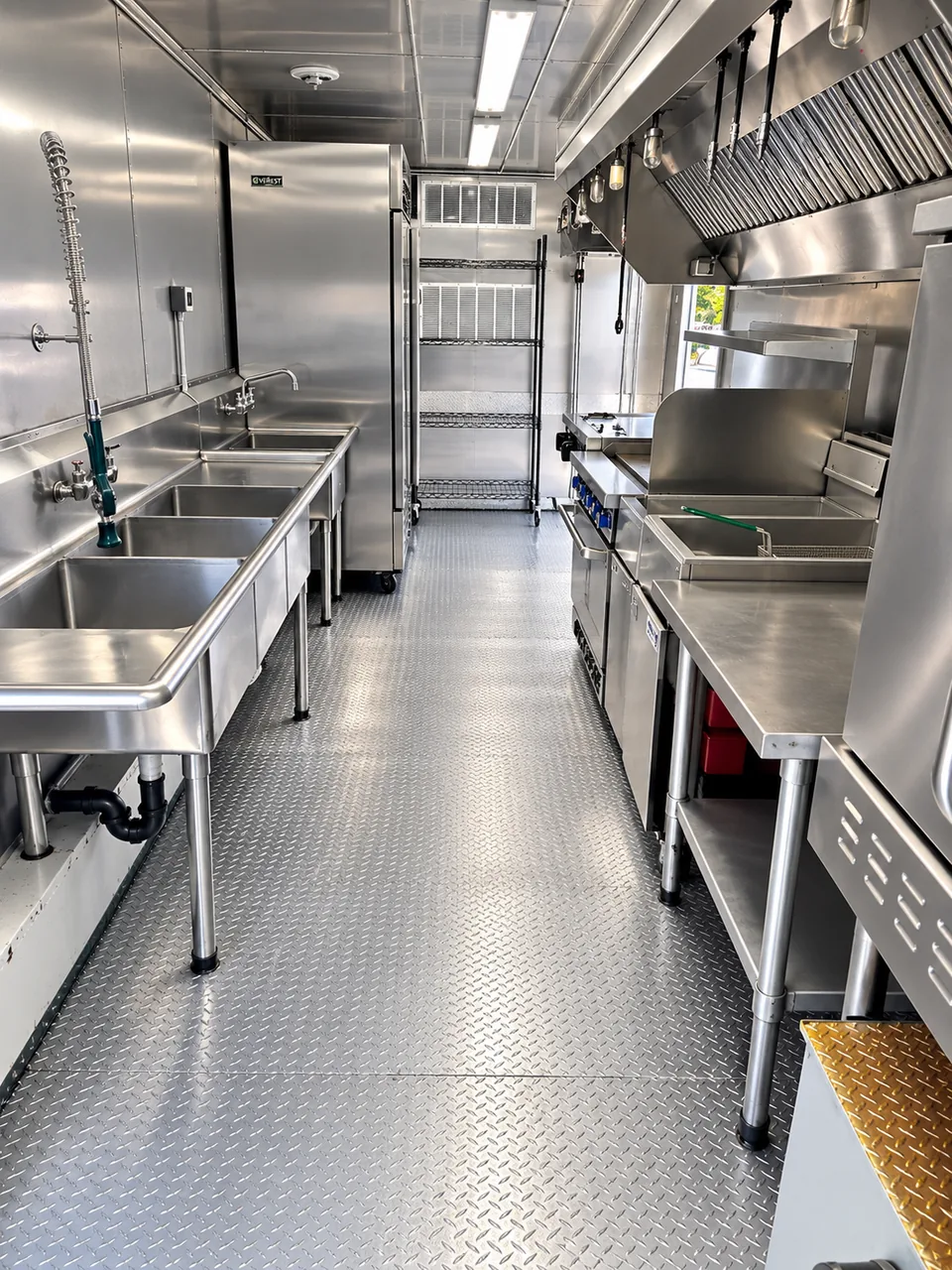
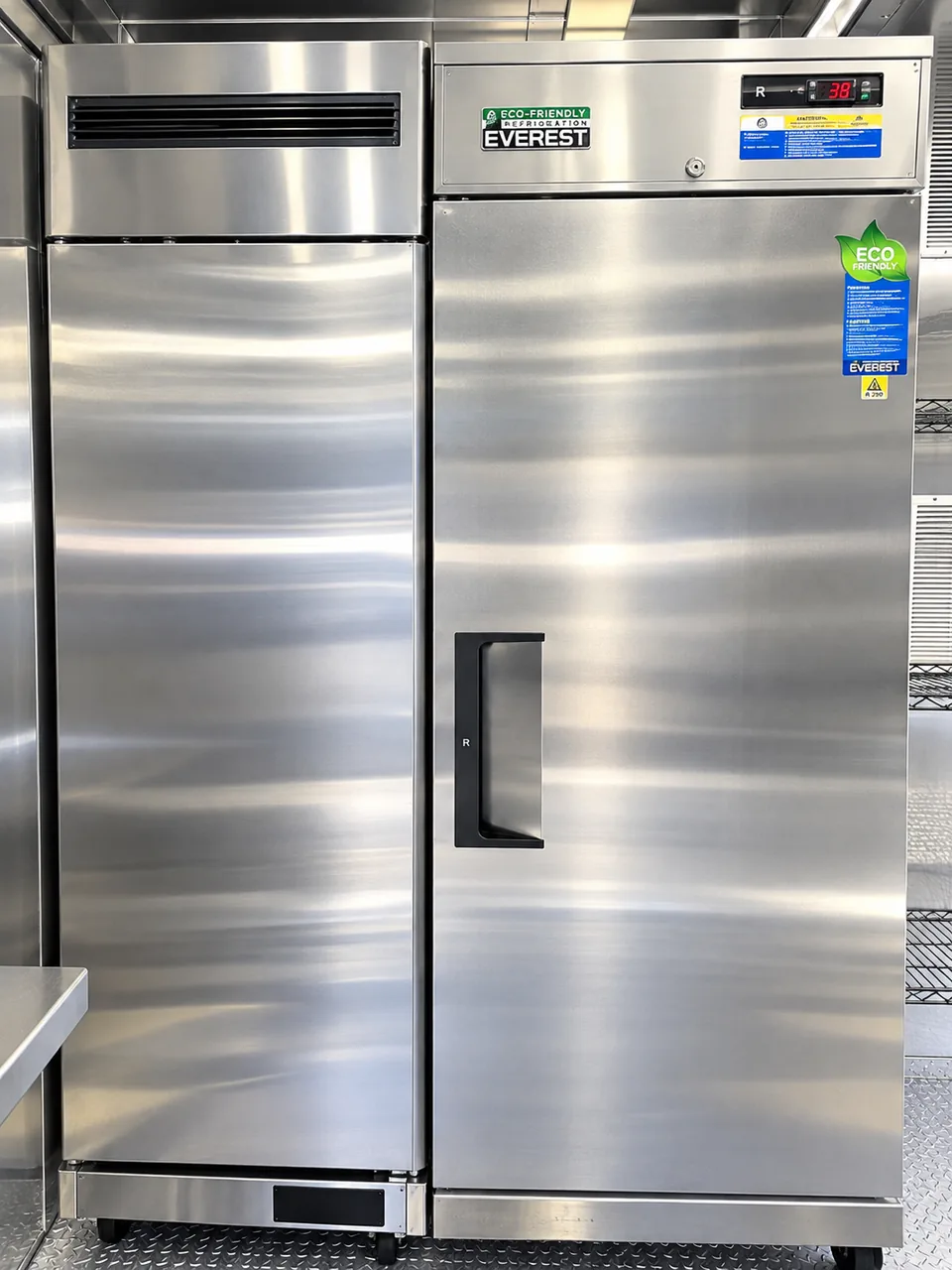
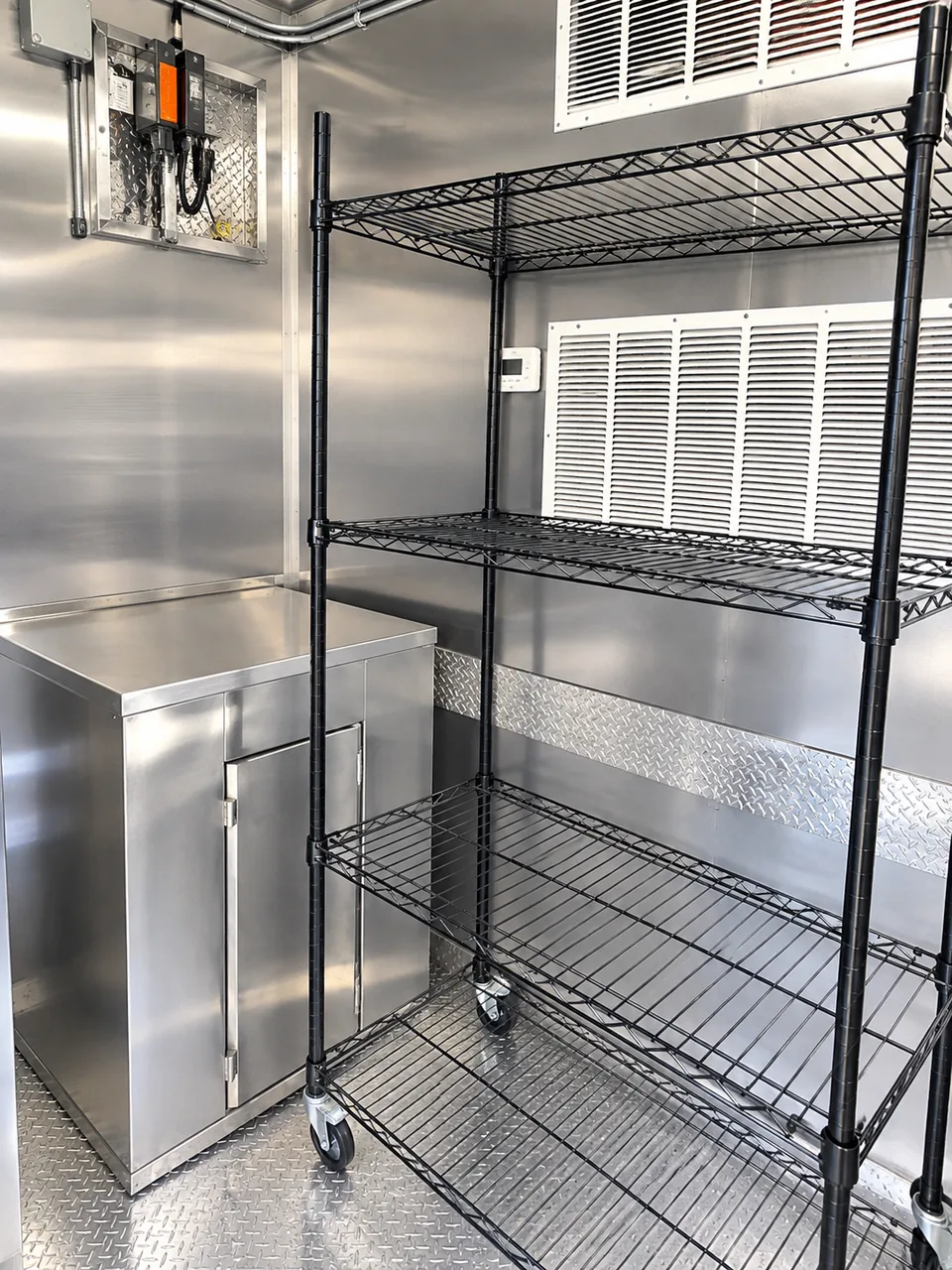
Place the trailer within the campus circulation plan
Dining halls may be surrounded by pedestrian paths, loading areas, underground utilities and construction fencing. Identify where a trailer could be delivered and positioned without blocking access. Check how food deliveries, staff, students and waste removal would move around the site. Accessible routes and emergency access remain part of the campus plan.
Facilities staff should confirm power, water and wastewater options and how temporary connections can be installed. Ground conditions, turning space and the distance to the serving area matter. Review placement before the construction site is fenced or the permanent kitchen utilities are disconnected.
Coordinate procurement, approvals and transition
University purchasing rules, vendor registration, insurance documentation and contract review vary by institution. Ask procurement what information is needed for a rental and who can authorize site work. The campus safety office and relevant food-service regulator should review the proposed operation as required.
Build a transition schedule that covers equipment selection, site preparation, connection work, staff orientation and the first meal served from the temporary setup. Compare the full cost of the temporary plan with other feasible options using your own budgets, labor and meal forecasts rather than unsupported cost-savings examples.
Common questions
Can a trailer support all-you-care-to-eat dining?
It depends on the menu, continuous production rate, serving layout and available configuration. Share demand by meal period so the operation can be assessed.
Who handles campus approvals?
The dining, facilities, procurement and safety teams should identify the required university and external reviews. Responsibilities should be written into the project plan.
Can the existing dining room remain open?
Possibly, if construction separation, food transfer, service flow and applicable approvals support it. The proposed route from trailer to serving area needs a site-specific review.
Bring the details. We’ll help frame the kitchen trailer request.
Share the location, dates, menu, meal volume, site access and utilities. Ask the team to confirm an available configuration, delivery and project-specific terms.
Prepare a project note ↗