
Plan the kitchen around the operation, then confirm the equipment and site details.
Build the plan around the school calendar and meal counts
Identify the dates when the permanent kitchen will be unavailable, including any overlap with summer programs or the start of classes. Count breakfast and lunch by site and service period. If one kitchen produces meals for other campuses, include those routes and receiving times in the temporary plan.
Compare menus with the proposed cooking, cold storage, holding and dishwashing arrangements. A limited temporary menu may reduce pressure on a compact workspace, but the nutrition team must determine whether it meets the district's program and dietary needs. Do not choose equipment based only on total enrollment.
- Construction and school-calendar dates
- Meals by site and service period
- Cooking, holding, cold storage and wash needs
- Food transfer and service-line routes
Keep delivery work apart from student circulation
At a Sulphur Springs campus, locate the proposed trailer, delivery vehicle route and loading area on the actual site plan. Review student drop-off, bus traffic, playgrounds, accessible paths and emergency access at the times the kitchen would operate. A site that looks open after school may be congested during morning arrival or lunch.
The district should establish where staff can enter the unit and how finished meals reach the serving area. Construction fencing and temporary paths can change during a project, so the route needs review for each phase.
Kitchen equipment reference photos
These photos show equipment examples for planning. They do not document a project at this type of site or confirm that a specific unit is available.
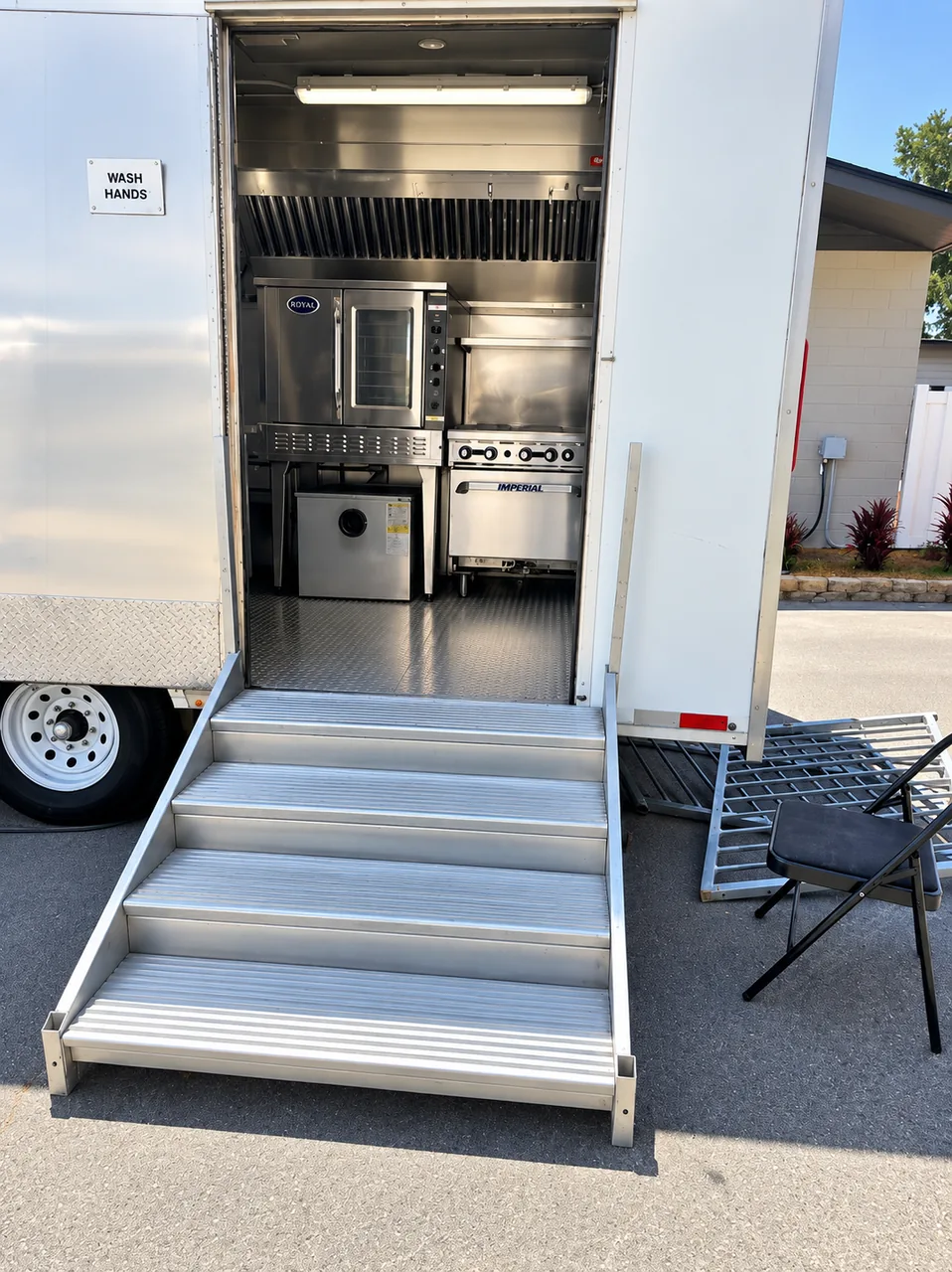
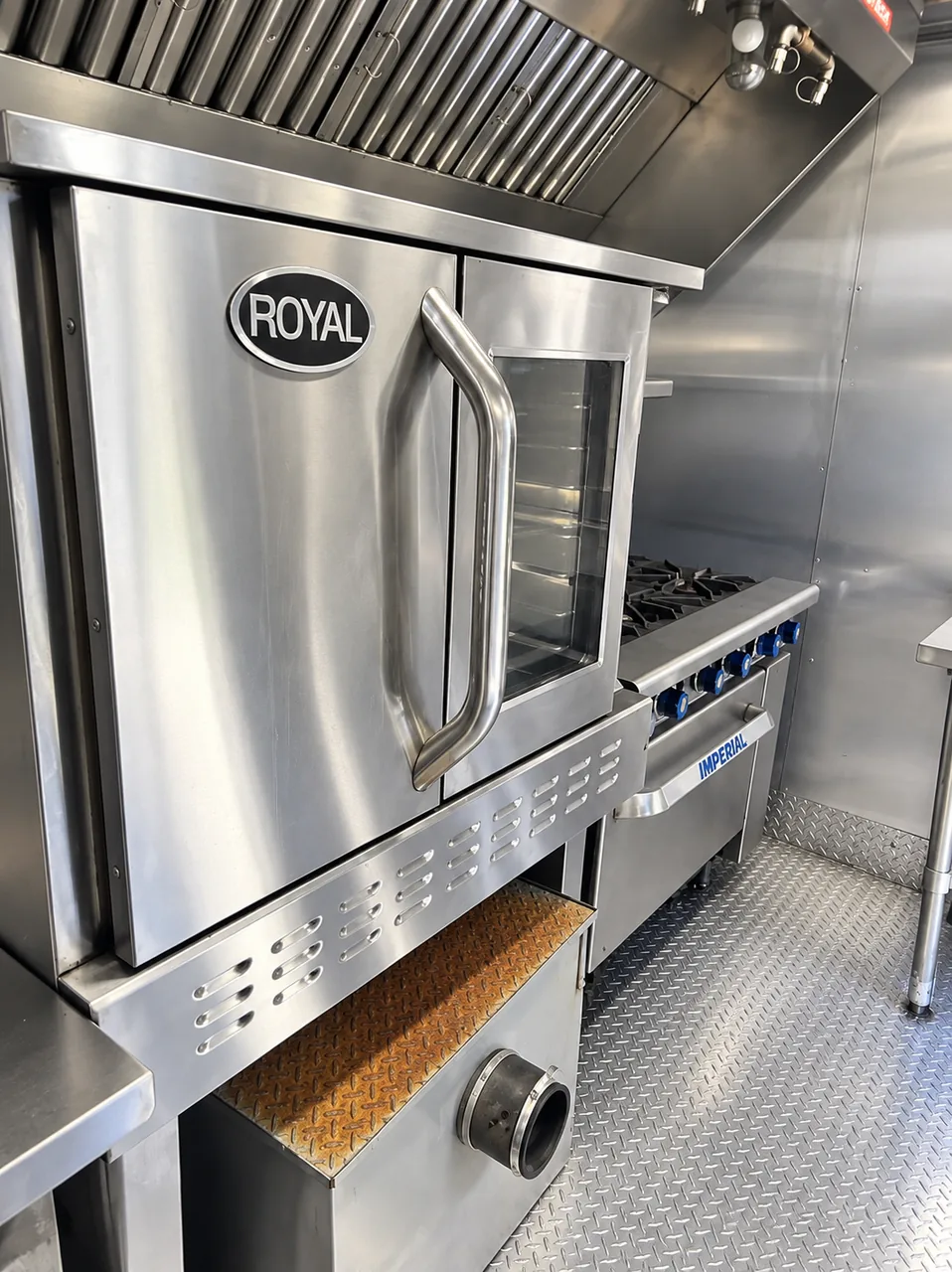
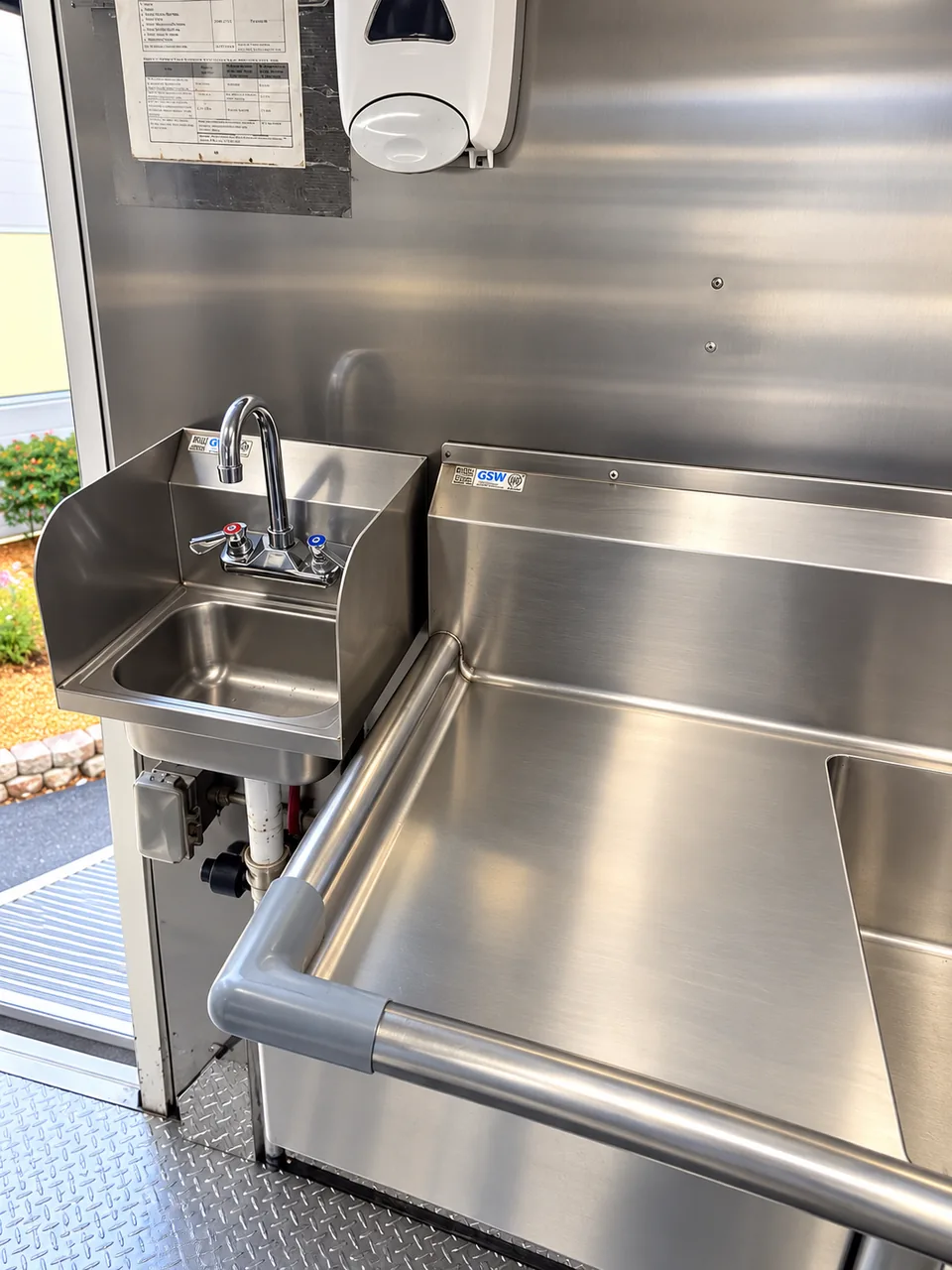
Confirm utilities, sanitation and district approvals
Facilities staff should check electrical capacity, potable water, wastewater handling and the condition of the proposed placement surface. Note whether work on the existing cafeteria will interrupt these services. Include handwashing, cleaning, temperature control and waste handling in the operating review.
The district's nutrition, facilities, safety and purchasing teams should identify the applicable local reviews, procurement steps and contract documents. Requirements vary by site and project. A rental proposal should distinguish trailer equipment from any separate utility work, delivery, servicing or inspections.
Send a district-ready kitchen rental request
Provide the school address, site plan, project schedule, meal counts by period, menus, remaining permanent equipment and the staff member coordinating campus access. Ask what equipment configuration could support those tasks and what information the provider needs to check delivery and availability.
Leave time for setup, staff orientation and any required review before the first planned meal. The district should keep a backup foodservice plan until the site and temporary operation have been accepted by the responsible teams.
Common questions
Can one trailer serve an entire school district?
That depends on meal counts, menus, production and delivery windows, and the configuration available. A district should provide demand by site and meal period before selecting equipment.
Is there a confirmed Sulphur Springs cafeteria project?
This article does not confirm an active project. The city is a planning example; the district's project, site suitability and service availability require verification.
What should the district prepare for a quote?
Share the school address, calendar, meal counts, menus, site drawing, utilities, delivery route and the people responsible for facilities and nutrition decisions.
Bring the details. We’ll help frame the kitchen trailer request.
Share the location, dates, menu, meal volume, site access and utilities. Ask the team to confirm an available configuration, delivery and project-specific terms.
Prepare a project note ↗